Mapqueat – the very name conjures images of exploration and discovery. This is more than just software; it’s a key that unlocks the secrets hidden within geographical data. From its foundational algorithms to the advanced analytical tools, Mapqueat is a testament to the power of mapping technology. We embark on a journey through the intricate layers of its architecture, applications, and integration capabilities, peeling back each layer to reveal the vibrant world of data processing and visualization.
Our expedition will begin with an in-depth look at the fundamental principles governing Mapqueat’s operations. We’ll explore the sophisticated algorithms that drive its data processing capabilities, the user-friendly interface components, and the diverse data sources it expertly utilizes. Next, we will venture into the real world, observing Mapqueat in action across various industries. From optimizing urban planning and environmental monitoring to revolutionizing logistics, we will witness its impact firsthand.
Finally, we will delve into the technical underpinnings of Mapqueat, from the programming languages that breathe life into it to its robust security measures, and the integration it offers with other systems. Prepare to be amazed by the potential that Mapqueat brings to the table.
Exploring the foundational principles that underpin the functionality of Mapqueat software requires a thorough examination.

Embarking on a journey into the heart of Mapqueat unveils a fascinating interplay of sophisticated algorithms, intuitive user interfaces, and a vast network of data sources. Understanding these core components is crucial to appreciating the software’s capabilities and its power to transform raw data into insightful geographical representations. Let’s delve into the mechanics that make Mapqueat tick.
Core Algorithms in Mapqueat
Mapqueat’s functionality rests on a foundation of intricate algorithms that meticulously process data and craft compelling geographical representations. These algorithms are the silent architects, responsible for transforming raw information into the maps and analyses that users rely on.At its core, Mapqueat utilizes several key algorithms. First, there’s the Geographic Coordinate Transformation Algorithm, which is crucial for handling data from various sources, each potentially using a different coordinate system (like WGS 84 or NAD 83).
This algorithm, often involving techniques like the Helmert transformation or more complex methods, ensures all data is accurately aligned to a single, consistent reference frame. Without this, features would be misplaced, and analyses would be flawed. Imagine trying to assemble a puzzle where each piece is slightly warped – the Geographic Coordinate Transformation Algorithm is the straightening tool.Next, the Spatial Indexing Algorithm plays a vital role in optimizing data retrieval.
Mapqueat employs spatial indexing techniques, such as R-trees or Quadtrees, to efficiently organize geographical data. These structures allow the software to quickly locate features based on their spatial location, significantly speeding up queries like “find all points within a 5-mile radius” or “identify all roads intersecting a specific polygon.” This is like having a well-organized library where you can instantly find the book you need without having to browse through every shelf.Furthermore, Geospatial Analysis Algorithms are instrumental in performing various analytical operations.
These algorithms are the workhorses of Mapqueat, enabling complex calculations and insights. Examples include:* Buffering: Creating areas of a specified distance around features (e.g., creating a 1-kilometer buffer around a river).
Overlay Analysis
Combining data from multiple layers to identify spatial relationships (e.g., finding areas where specific soil types overlap with specific land uses).
Network Analysis
Analyzing paths and routes, calculating shortest distances, and optimizing travel plans.Finally, the Data Interpolation Algorithms are essential for creating continuous surfaces from discrete data points. Techniques like Inverse Distance Weighting (IDW) or Kriging are employed to estimate values at unmeasured locations, allowing Mapqueat to generate smooth surfaces representing phenomena like elevation, temperature, or pollution levels. This is akin to connecting the dots to reveal a complete picture.The algorithms are not isolated; they work in concert, each contributing to the overall functionality of Mapqueat.
For instance, the spatial indexing algorithm enhances the efficiency of the geospatial analysis algorithms, allowing for quicker and more accurate results. This synergy is what makes Mapqueat a powerful tool for geographical analysis.
User Interface Components of Mapqueat
The user interface of Mapqueat is designed to be both powerful and intuitive, allowing users of varying skill levels to effectively utilize its features. It’s a carefully crafted ecosystem where complex functionalities are presented in an accessible manner.The table below Artikels the key user interface components and their respective functions:
| Component | Function | Description | Example |
|---|---|---|---|
| Map Display | Visual representation of geographical data. | Displays maps, layers, and spatial features. Allows for panning, zooming, and interactive exploration. | A map showing roads, buildings, and water bodies, with the ability to zoom in to see street-level details. |
| Toolbar | Provides quick access to frequently used tools and functions. | Contains icons for common operations like opening files, saving projects, zooming, panning, selecting features, and performing spatial analysis. | Icons for “Zoom In,” “Zoom Out,” “Pan,” “Select Feature,” and “Measure Distance.” |
| Layer Panel | Manages and controls the visibility and properties of data layers. | Allows users to add, remove, reorder, and style data layers. Provides options for setting layer transparency, symbology, and labels. | A list of layers, such as “Roads,” “Buildings,” “Rivers,” and “Population Density,” with checkboxes to control visibility and options to change their color and style. |
| Attribute Table | Displays and manages the attribute data associated with geographical features. | Shows tabular data related to the selected features, allowing users to view, edit, and query the data. | A table showing the name, population, and area of each county displayed on the map. |
Each component plays a critical role in the user experience. The Map Display provides the visual canvas for exploring geographical data. The Toolbar offers immediate access to essential functions. The Layer Panel allows users to manage and customize the presentation of their data. The Attribute Table enables detailed examination and manipulation of the underlying data.
Together, these components create a comprehensive and user-friendly environment for geographical analysis.
Data Sources and Ingestion in Mapqueat
Mapqueat thrives on data, drawing from a diverse array of sources to paint a comprehensive picture of the world. Understanding these data sources and how Mapqueat ingests them is key to utilizing the software effectively.Mapqueat commonly utilizes several data sources, each with its unique format and characteristics.* Vector Data: This is arguably the cornerstone of geographical data. Vector data represents geographical features using points, lines, and polygons.
Common formats include:
Shapefiles (.shp)
A widely used, open format developed by ESRI. Shapefiles store geographic features along with their attributes. A shapefile is typically composed of multiple files (.shp, .shx, .dbf, etc.) and is a cornerstone for representing points (e.g., cities), lines (e.g., roads), and polygons (e.g., counties).
GeoJSON (.geojson)
A format based on JSON (JavaScript Object Notation), ideal for web applications and data exchange. It is a lightweight and flexible format for representing geographic data.
Geodatabase (.gdb)
A proprietary format by ESRI, designed for storing and managing complex geographic data. It can store large datasets, topological relationships, and attribute information.* Raster Data: This type of data represents geographical features using a grid of pixels or cells. Common formats include:
GeoTIFF (.tif)
A widely used format for storing raster images, including satellite imagery and elevation data. GeoTIFF files can store georeferencing information, allowing the image to be accurately positioned on the Earth’s surface.
Digital Elevation Models (DEMs)
Represent the Earth’s surface elevation as a grid of values. Used for terrain analysis and 3D visualization.
Raster datasets from remote sensing sources
Satellite imagery from sources like Landsat, Sentinel, or MODIS is commonly used for various applications, including land cover classification and environmental monitoring.* Database Connections: Mapqueat can connect to various spatial databases to access and utilize data stored within them. Common database types include:
PostGIS (PostgreSQL)
A powerful open-source spatial database extension for PostgreSQL.
ESRI Geodatabase (SDE)
Connects to and utilizes geodatabases, allowing users to access and work with data stored within.
MySQL with spatial extensions
Allows users to store and query spatial data.The process of data ingestion in Mapqueat typically involves several steps:
1. Data Import
Users import data from various file formats or connect to databases. Mapqueat supports a wide range of formats, making it versatile for different data sources. The import process involves specifying the file location, selecting the desired layers, and potentially configuring coordinate systems.
2. Coordinate System Transformation (if needed)
Mapqueat can automatically transform data from different coordinate systems to a common one, ensuring all data aligns correctly. This is particularly important when combining data from multiple sources. The software may use the user-defined project coordinate system or allow the user to select the appropriate transformation parameters.
3. Data Styling and Symbolization
Once imported, users can customize the appearance of the data using various styling options. This includes setting colors, line styles, point symbols, and labels. Styling helps visualize the data effectively and convey specific information. For example, a user might style a road layer with different colors to represent different road types (e.g., highways, local roads).
4. Attribute Data Management
Users can access and manage attribute data associated with geographical features. This includes viewing, editing, and querying the data. Attribute data is essential for understanding the characteristics of each feature and performing spatial analysis.
5. Data Analysis and Processing
Mapqueat provides tools for performing a wide range of spatial analyses. This includes buffering, overlay analysis, network analysis, and more. Users can use these tools to extract insights and create new data layers. For example, a user could create a buffer around a school to identify the surrounding population.
6. Data Export
Users can export the processed data in various formats, including Shapefiles, GeoJSON, and other formats, to share or integrate it with other applications.For example, imagine a city planner wants to analyze the impact of a new public transit line. They might import shapefiles of roads, buildings, and existing transit routes, along with demographic data from a database. They could then use Mapqueat’s buffering tools to identify areas within a certain distance of the new transit line, perform overlay analysis to see which residential areas will be served, and generate maps and reports to present their findings.
Understanding the practical applications of Mapqueat across various industries offers valuable context.
Mapqueat isn’t just a piece of software; it’s a dynamic tool with a multitude of applications. Its versatility allows it to be adapted to the specific needs of various sectors, providing insights and solutions that would have been unimaginable just a few years ago. From shaping our cities to protecting our environment and optimizing business operations, Mapqueat is proving to be an indispensable asset.
Urban Planning Applications
Urban planning, a complex field demanding meticulous data analysis and strategic foresight, finds a powerful ally in Mapqueat. The software provides a comprehensive platform for visualizing and analyzing spatial data, enabling planners to make informed decisions about land use, infrastructure development, and resource allocation. Let’s delve into some specific use cases and their associated benefits.Mapqueat empowers urban planners to create more livable, efficient, and sustainable cities.
For instance, consider a scenario where a city wants to analyze the impact of a proposed new public transportation route. Mapqueat can simulate the potential effects on traffic flow, pedestrian movement, and accessibility to various amenities, such as schools, hospitals, and parks. This allows planners to optimize the route, minimizing congestion and maximizing the benefits for residents. The software can also be used to identify areas with high pedestrian traffic and analyze the existing infrastructure.
For example, if there is a high volume of pedestrians in a specific area, Mapqueat can help identify the need for improved sidewalks, crosswalks, or pedestrian zones.Another crucial application lies in the analysis of demographic data. By integrating population density, age distribution, and socioeconomic factors, planners can gain a deeper understanding of community needs and tailor development projects accordingly. If a particular neighborhood has a large elderly population, for example, Mapqueat can help identify the need for senior centers, accessible housing, and improved public transportation options.
Mapqueat can also be used to assess the impact of new construction projects on existing infrastructure. It can model the increased demand for water, electricity, and waste management services, helping planners to ensure that the city’s infrastructure can adequately support new developments.Furthermore, Mapqueat plays a critical role in promoting sustainable urban development. By analyzing factors such as green space availability, air quality, and energy consumption, planners can identify areas where improvements are needed.
This allows them to implement strategies to reduce pollution, conserve resources, and create more environmentally friendly communities. For example, the software could highlight areas where new parks and green spaces would have the greatest impact on air quality and the well-being of residents.
Environmental Monitoring Applications, Mapqueat
The role of Mapqueat extends far beyond urban landscapes, playing a vital role in environmental monitoring and conservation efforts. By integrating various data sources, the software provides a comprehensive view of ecological changes, allowing scientists and conservationists to track and analyze environmental variables with unprecedented accuracy.Mapqueat enables a more detailed understanding of our planet’s ecosystems. The following environmental variables can be tracked and analyzed using Mapqueat:
- Deforestation Rates: Monitoring forest cover changes, identifying areas of deforestation, and analyzing the drivers of these changes. This allows for better management of forest resources.
- Water Quality: Assessing water quality parameters, such as pH levels, dissolved oxygen, and pollutant concentrations, in rivers, lakes, and oceans. This data helps to identify sources of pollution and monitor the effectiveness of remediation efforts.
- Air Pollution: Mapping and analyzing air quality data, including concentrations of particulate matter (PM2.5 and PM10), ozone, and other pollutants. This information helps to identify pollution hotspots and assess the impact of air pollution on public health.
- Wildlife Habitat: Identifying and mapping wildlife habitats, tracking animal movements, and assessing the impact of human activities on wildlife populations. This information is crucial for conservation planning and protecting endangered species.
- Coastal Erosion: Monitoring coastal erosion rates, analyzing the factors contributing to erosion, and assessing the vulnerability of coastal communities. This allows for the development of effective coastal protection strategies.
- Glacier Retreat: Tracking the retreat of glaciers and ice sheets, analyzing the causes of ice loss, and assessing the impact on sea levels and water resources. This information is crucial for understanding and addressing the effects of climate change.
- Biodiversity: Assessing biodiversity hotspots, mapping species distributions, and monitoring changes in species richness and abundance. This data helps to identify areas of high conservation value and track the impacts of habitat loss and climate change on biodiversity.
- Temperature Variations: Mapping and analyzing temperature variations across different regions, providing insights into the effects of climate change.
Mapqueat’s capability to integrate data from various sources, including satellite imagery, sensor networks, and ground-based observations, provides a holistic view of environmental changes. This allows for early detection of environmental threats, informed decision-making, and effective conservation strategies.
Logistics and Supply Chain Optimization Applications
In the fast-paced world of business, efficiency and optimization are paramount. Mapqueat is a game-changer for logistics and supply chain management, offering powerful tools to streamline operations, reduce costs, and improve customer satisfaction. The ability to visualize and analyze spatial data allows businesses to make informed decisions about route planning, warehouse location, and resource allocation.Consider a large retail company with a vast distribution network.
Using Mapqueat, the company can optimize its delivery routes, minimizing travel time and fuel consumption. The software can analyze real-time traffic data, weather conditions, and delivery schedules to identify the most efficient routes for each delivery vehicle. This leads to reduced transportation costs, lower carbon emissions, and faster delivery times, ultimately improving customer satisfaction. Moreover, Mapqueat can be integrated with GPS tracking systems, allowing the company to monitor the location of its vehicles in real-time.
This provides greater visibility into the supply chain, enabling proactive management of potential delays or disruptions. For example, if a delivery vehicle encounters a traffic jam or a road closure, the company can reroute the vehicle to minimize the impact on delivery schedules.Warehouse location is another critical area where Mapqueat can provide significant benefits. By analyzing factors such as population density, transportation infrastructure, and proximity to suppliers and customers, businesses can identify the optimal locations for their warehouses.
This helps to reduce transportation costs, improve delivery times, and ensure that products are readily available to meet customer demand. For instance, a food distribution company might use Mapqueat to analyze the location of its stores and the distribution of its suppliers to determine the best location for a new distribution center. This would help to reduce transportation costs, minimize food spoilage, and ensure that stores have an adequate supply of fresh products.Mapqueat also plays a vital role in optimizing inventory management.
By integrating data on sales patterns, demand forecasts, and lead times, businesses can optimize their inventory levels, reducing the risk of stockouts and overstocking. This helps to minimize storage costs, improve cash flow, and ensure that products are available when customers need them. A clothing retailer, for example, could use Mapqueat to analyze sales data from its stores and predict future demand.
This would allow the retailer to optimize its inventory levels, ensuring that it has enough of the right products in the right locations to meet customer demand.Furthermore, Mapqueat enables businesses to visualize and analyze their supply chains, identifying potential bottlenecks and vulnerabilities. This allows them to proactively address these issues, minimizing the risk of disruptions and ensuring that products flow smoothly from suppliers to customers.
For instance, a manufacturing company could use Mapqueat to map its supply chain, identifying potential risks such as supplier delays or transportation disruptions. This would allow the company to develop contingency plans and mitigate the impact of any disruptions on its operations.
Examining the technical aspects of Mapqueat reveals its underlying architecture and operational mechanics.
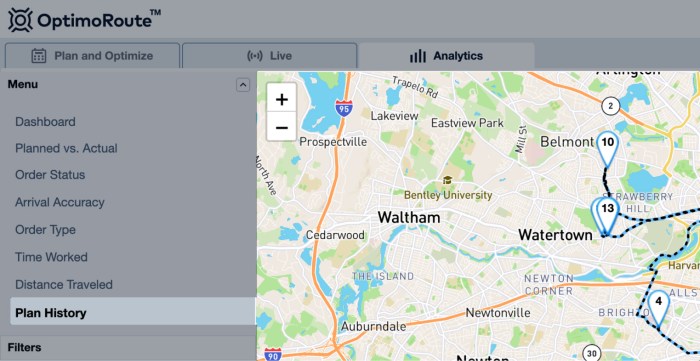
Delving into the technical core of Mapqueat unveils a sophisticated blend of technologies meticulously chosen to deliver a robust and user-friendly experience. This deep dive will illuminate the programming languages and frameworks that form the backbone of Mapqueat, followed by a practical guide to installation and configuration. Finally, we’ll explore the critical aspects of data security and privacy, highlighting the measures taken to safeguard user information.
Programming Languages and Frameworks
Mapqueat’s development relies on a carefully selected stack of programming languages and frameworks, each playing a crucial role in its overall functionality and performance. The choice of these technologies isn’t arbitrary; it’s a strategic decision aimed at achieving scalability, efficiency, and a seamless user experience.The frontend of Mapqueat is primarily crafted using JavaScript, the undisputed king of web development.
JavaScript, along with its associated frameworks, is responsible for creating the interactive elements and dynamic features users see and interact with. Specifically, frameworks like React or Angular are likely employed to build the user interface. These frameworks allow for the creation of reusable components, which speeds up development, improves code maintainability, and ensures a consistent user interface across different platforms.On the backend, Mapqueat probably leverages Python, a versatile and powerful language favored for its readability and extensive libraries.
Python is often used with frameworks such as Django or Flask to handle server-side logic, database interactions, and API development. Django, in particular, provides a “batteries-included” approach, offering built-in features for common web development tasks, such as authentication, authorization, and database management. Flask, on the other hand, is a microframework, providing more flexibility and control over the application’s architecture.
The choice between Django and Flask would depend on the specific needs of the project.For data storage and management, Mapqueat likely employs a database management system (DBMS). Popular choices include PostgreSQL or MySQL, both robust and reliable relational database systems. These databases store the geographical data, user information, and other relevant data in an organized manner. The selection of a database is crucial for ensuring data integrity, scalability, and efficient querying.
The DBMS’s performance directly impacts the speed at which users can access and interact with the data on the map.Furthermore, technologies like HTML and CSS are essential for structuring and styling the user interface. HTML provides the basic structure of the web pages, while CSS controls the visual presentation, including layout, colors, and typography. Together, they create the visual foundation for Mapqueat’s interface.The integration of these languages and frameworks is not just about functionality; it’s about creating a harmonious ecosystem where each component complements the others.
For example, JavaScript frameworks handle the dynamic user interface, Python frameworks manage the server-side operations, and the database stores and retrieves the data. This combination allows Mapqueat to offer a smooth, responsive, and secure user experience.
Installing and Configuring Mapqueat
Installing and configuring Mapqueat requires following a series of structured steps to ensure the software functions correctly. The following guide provides a streamlined approach for setting up Mapqueat on a standard operating system.
- Prerequisites: Before starting, ensure you have the necessary prerequisites installed. This includes a compatible operating system (e.g., Windows, macOS, or Linux), a web browser, and a stable internet connection. Verify that any required software dependencies, such as Python and a suitable database system, are installed and configured correctly.
- Download the Installation Package: Obtain the Mapqueat installation package from a trusted source, such as the official website or a reputable software repository. The package may come in various formats, including an executable file (.exe for Windows), a disk image (.dmg for macOS), or a compressed archive (.tar.gz or .zip for Linux).
- Run the Installation: Execute the installation package. Follow the on-screen instructions provided by the installer. This typically involves accepting the terms and conditions, selecting the installation directory, and choosing the desired components. The installer will automatically copy the necessary files to your system.
- Configure the Database: If Mapqueat requires a database, configure it according to the software’s instructions. This may involve creating a new database, setting up user accounts with appropriate permissions, and specifying the connection details (e.g., host, port, username, password). Ensure the database is running and accessible to the Mapqueat application.
- Configure Network Settings: If Mapqueat requires network access, configure the necessary settings, such as firewall rules and proxy settings. Allow the application to communicate with the internet and other network resources as needed.
- Launch and Test: Once the installation and configuration are complete, launch the Mapqueat application. Verify that the software starts up without errors and that all features are accessible. Test the application by performing basic operations, such as creating, viewing, and editing data, to ensure it functions as expected.
- User Account Creation and Login: Create a user account within the Mapqueat application, if required. This usually involves providing a username, email address, and password. Log in to the application using the newly created credentials to access its features.
- Review and Update: After successful installation and initial use, review the application’s settings and configurations. Check for any available updates and install them to ensure you have the latest features and security patches.
Data Security and Privacy
Data security and privacy are paramount concerns in the design and operation of Mapqueat. The software employs a range of measures to protect user data from unauthorized access, breaches, and misuse. These measures are critical in maintaining user trust and ensuring compliance with data protection regulations.One of the fundamental pillars of Mapqueat’s security strategy is encryption. Data is encrypted at rest and in transit.
-
Encryption at Rest: Data stored within the Mapqueat system, including user profiles, location data, and any other sensitive information, is encrypted using robust encryption algorithms. Examples include AES (Advanced Encryption Standard) with a strong key length (e.g., 256 bits). This ensures that even if the storage medium is compromised, the data remains unreadable without the decryption key.
The keys themselves are securely managed, often through key management systems, to prevent unauthorized access.
-
Encryption in Transit: When data is transmitted between the user’s device and the Mapqueat servers, it is protected by encryption protocols like TLS/SSL (Transport Layer Security/Secure Sockets Layer). This ensures that data exchanged over the network, such as login credentials, location updates, and map data, is not intercepted or altered by malicious actors.
The use of HTTPS (HTTP Secure) is a standard practice to guarantee secure communication. The implementation includes the use of strong cipher suites and regularly updated certificates to maintain the highest level of security.
User Authentication is another critical aspect of Mapqueat’s security.
- Password Protection: User accounts are protected by strong password policies, encouraging users to create complex and unique passwords. Mapqueat may also implement password hashing algorithms, such as bcrypt or Argon2, to securely store user passwords in the database. These hashing algorithms are designed to be computationally expensive, making it extremely difficult for attackers to crack passwords through brute-force attacks.
- Multi-Factor Authentication (MFA): To enhance security, Mapqueat might offer multi-factor authentication. MFA requires users to provide more than one form of verification, such as a password and a one-time code generated by an authenticator app or sent via SMS. This significantly reduces the risk of unauthorized access, even if a user’s password is compromised.
- Session Management: Secure session management is implemented to protect user sessions from hijacking. This includes setting appropriate session timeout periods, using secure cookies (e.g., HTTP-only and secure flags), and regularly validating session credentials.
Mapqueat also incorporates access controls and data minimization practices.
- Access Control: Role-based access control (RBAC) is used to restrict access to data and features based on user roles and permissions. This ensures that users can only access the information and functionality necessary for their tasks, minimizing the risk of unauthorized access to sensitive data.
- Data Minimization: Mapqueat follows the principle of data minimization, collecting only the necessary data for its intended purpose. Unnecessary data is not collected or stored, reducing the potential impact of a data breach. Data retention policies are also implemented to limit the duration for which data is stored.
To further strengthen its security posture, Mapqueat may employ additional measures such as regular security audits, vulnerability scanning, and penetration testing. These proactive measures help identify and address potential security weaknesses before they can be exploited. Mapqueat is committed to staying up-to-date with the latest security threats and best practices, continuously improving its security infrastructure to protect user data and privacy.
Analyzing the integration capabilities of Mapqueat highlights its interoperability with other systems.
Mapqueat isn’t just a standalone tool; it’s designed to play well with others. Its ability to integrate with various systems is a key feature, allowing it to fit seamlessly into existing workflows and data ecosystems. This flexibility makes Mapqueat a valuable asset for organizations looking to leverage spatial data in their operations.
Methods for Integrating Mapqueat with Geographic Information Systems (GIS)
Integrating Mapqueat with Geographic Information Systems (GIS) is often a critical step in utilizing spatial data effectively. Several methods and data exchange formats facilitate this integration, ensuring smooth data transfer and compatibility.Mapqueat employs several strategies to ensure its smooth integration with GIS platforms. These methods focus on data exchange, allowing for the import and export of spatial data.
- Data Exchange Formats: Mapqueat supports a variety of data exchange formats commonly used in GIS. These formats allow for the transfer of spatial data, including geographic coordinates, attributes, and other relevant information.
- Shapefile (.shp): A popular format developed by Esri, Shapefile is a widely accepted standard for storing geospatial vector data, such as points, lines, and polygons. Mapqueat can import and export Shapefiles, enabling seamless data exchange with other GIS software.
- GeoJSON (.geojson): GeoJSON is a format for encoding geographic data structures, based on JSON (JavaScript Object Notation). It is commonly used for web-based mapping applications and is easily parsed by many programming languages. Mapqueat’s support for GeoJSON facilitates its integration with web mapping platforms and applications.
- Keyhole Markup Language (KML) and Keyhole Markup Language Zipped (KMZ): Developed by Google, KML and KMZ are formats used to display geographic data in applications like Google Earth. Mapqueat can import and export KML/KMZ files, enabling users to visualize and share spatial data in these environments.
- CSV (Comma Separated Values): CSV files can store tabular data, including spatial information such as coordinates. Mapqueat can import CSV files containing spatial data, allowing users to integrate data from spreadsheets or other sources. The import process typically involves specifying the columns containing the latitude and longitude data.
- Esri Geodatabase (File Geodatabase): Mapqueat’s compatibility extends to Esri Geodatabase formats, providing access to complex spatial data structures and relationships.
- APIs and SDKs: Mapqueat may offer APIs (Application Programming Interfaces) and SDKs (Software Development Kits) that enable developers to build custom integrations with GIS platforms. These tools allow for programmatic access to Mapqueat’s functionality and data, enabling advanced integration scenarios. For instance, developers can use an API to automatically import data from a GIS database, process it within Mapqueat, and then export the results back to the GIS system.
- Web Services: Mapqueat can leverage web services, such as Web Feature Service (WFS) and Web Map Service (WMS), to communicate with other GIS servers and access spatial data. WFS allows for the retrieval of feature data, while WMS provides map images. This capability enables Mapqueat to integrate with distributed GIS environments.
- Direct Database Connections: Depending on the implementation, Mapqueat might support direct connections to spatial databases, such as PostGIS (PostgreSQL with spatial extensions) or Esri’s geodatabases. This allows for real-time data synchronization and analysis.
These methods, often used in combination, ensure that Mapqueat can effectively exchange data with a wide range of GIS platforms, making it a versatile tool for spatial data analysis and visualization. The choice of method depends on the specific requirements of the integration, the formats supported by both systems, and the desired level of automation. The core principle is interoperability, allowing different systems to share and utilize spatial information.
Investigating the advanced features and functionalities that set Mapqueat apart is crucial.

Delving deeper into Mapqueat unveils a suite of sophisticated features designed to elevate its utility beyond basic mapping. These advanced functionalities provide users with powerful tools for data analysis, real-time processing, and seamless integration, making Mapqueat a dynamic platform for various applications. Let’s explore these capabilities to understand how Mapqueat empowers users to extract meaningful insights from their geospatial data.
Advanced Analytical Tools within Mapqueat
Mapqueat boasts a robust set of analytical tools that transform raw geospatial data into actionable intelligence. These tools are critical for informed decision-making across diverse sectors, allowing users to uncover patterns, identify trends, and optimize operations.Spatial analysis is at the heart of Mapqueat’s advanced capabilities. This involves a range of techniques to examine the spatial relationships within datasets. For example, the “hot spot analysis” tool identifies statistically significant clusters of high or low values, enabling users to pinpoint areas of concern or opportunity.
Imagine a retail chain using this to identify optimal locations for new stores based on customer density and competitor presence. The tool calculates the Getis-Ord Gi* statistic for each location, identifying statistically significant hot spots (areas with high values clustered together) and cold spots (areas with low values clustered together). This allows the chain to strategically position new stores to maximize market penetration and minimize competition.Network analysis is another powerful feature, enabling users to model and analyze the flow of resources, people, or information across networks.
This is particularly useful in logistics, transportation, and emergency response scenarios. For instance, a logistics company can use Mapqueat’s network analysis to determine the most efficient routes for delivery trucks, minimizing travel time and fuel consumption. The system utilizes algorithms like Dijkstra’s algorithm or the A* search algorithm to find the shortest path between multiple points, considering factors like road conditions, traffic, and vehicle capacity.
Furthermore, in an emergency, network analysis can be used to optimize the deployment of emergency services, ensuring rapid response times to critical incidents.Mapqueat also supports a range of other spatial analysis tools, including:
- Buffer analysis: Creates areas around features to identify areas of influence or proximity. For example, a city planner might use buffer analysis to determine the number of residents within a certain distance of a proposed new park.
- Overlay analysis: Combines multiple datasets to identify spatial relationships. For instance, overlaying a map of soil types with a map of land use can help identify areas suitable for agriculture.
- Spatial statistics: Provides tools for analyzing spatial patterns, such as identifying clustering or dispersion. This is useful for analyzing crime patterns, disease outbreaks, or customer distribution.
These tools, combined with Mapqueat’s intuitive interface, empower users to conduct sophisticated analyses and gain valuable insights from their geospatial data.
Real-Time Data Processing in Mapqueat
Mapqueat’s ability to handle real-time data processing sets it apart, offering a dynamic view of changing conditions and events. This capability is powered by cutting-edge technologies that ensure high performance and responsiveness.The core technology enabling real-time data processing in Mapqueat is its integration with streaming data platforms and protocols, such as:
- Message Queuing Telemetry Transport (MQTT): This lightweight messaging protocol is widely used for IoT devices and sensors, allowing Mapqueat to receive data from a vast array of sources, such as weather stations, traffic cameras, and environmental sensors.
- Apache Kafka: A distributed streaming platform that handles high-volume data streams in real-time. Mapqueat uses Kafka to ingest, process, and distribute large datasets efficiently.
- WebSockets: Provides a full-duplex communication channel over a single TCP connection, enabling real-time updates to the user interface.
These technologies allow Mapqueat to ingest and process data from various sources at high speeds. The data is then transformed, analyzed, and visualized on the map in real-time, providing users with up-to-the-minute information.Consider a traffic management system using Mapqueat. Real-time data from traffic sensors (using MQTT) is streamed into the system. Kafka processes this data, calculating traffic flow, congestion levels, and estimated travel times.
The processed information is then visualized on the map using WebSockets, displaying traffic conditions in real-time. This allows traffic managers to monitor congestion, identify incidents, and dynamically adjust traffic signals to optimize traffic flow. Another example is in environmental monitoring. Sensors deployed in a river system collect data on water levels, flow rates, and pollution levels. This data is transmitted in real-time via MQTT to Mapqueat.
Kafka processes this data, generating alerts when thresholds are exceeded. This enables authorities to respond quickly to potential flooding or pollution incidents.The impact of real-time data processing is significant:
- Enhanced decision-making: Users can make informed decisions based on the most current information.
- Improved operational efficiency: Real-time insights allow for proactive adjustments and optimized resource allocation.
- Increased responsiveness: The ability to react quickly to changing conditions is crucial in emergency situations or dynamic environments.
Mapqueat’s real-time data processing capabilities empower users to leverage the power of live data for enhanced situational awareness and proactive management.
Visual Representation of Mapqueat’s Interface with Advanced Features
The Mapqueat interface with advanced features presents a comprehensive environment for geospatial analysis and real-time data visualization. The design emphasizes intuitive navigation and accessibility to facilitate effective use of its powerful capabilities.
Central Map Display: This is the primary area for visualizing geospatial data. The map can display various layers, including vector data (points, lines, polygons), raster data (images), and real-time data streams. Users can zoom, pan, and interact with the map to explore the data in detail.
Data Layer Panel: Located on the left side of the interface, this panel displays a list of all data layers currently loaded in the map. Each layer has associated options, such as visibility control, styling options (color, size, symbol), and attribute tables. Users can easily manage and customize the appearance of each layer.
Analytical Tools Panel: Positioned on the right side, this panel provides access to Mapqueat’s advanced analytical tools. It is organized into categories such as Spatial Analysis, Network Analysis, and Real-time Data Processing. Each tool has a user-friendly interface for inputting parameters and viewing results. For instance, the Spatial Analysis section includes tools for buffer creation, overlay analysis, and hot spot analysis. The Network Analysis section offers tools for route planning and shortest path analysis.
The Real-time Data Processing section provides options for connecting to data streams and configuring real-time visualizations.
Real-time Data Feed Display: At the bottom of the interface, the real-time data feed display shows a live stream of data updates. It displays the source of the data, the timestamp, and the value of the data being updated. This panel enables users to monitor the flow of real-time information and identify any anomalies or significant changes.
Search and Geolocation Tool: A search bar at the top allows users to search for specific locations, addresses, or features within the map. This tool utilizes geocoding services to quickly locate and zoom to desired areas. A geolocation button enables users to locate their current position on the map using GPS.
User Profile and Settings: Located in the top-right corner, the user profile area provides access to user settings, including account information, customization options, and help resources. This area also includes a logout button for secure access.
