Who played Ragnar in the Vikings? The name, of course, is Travis Fimmel, and his portrayal of the legendary Viking hero wasn’t just acting; it was a transformation. From the initial casting calls to the final, heart-wrenching scenes, the journey to embody Ragnar Lothbrok was a fascinating saga in itself. This exploration delves into the challenges, triumphs, and artistry behind bringing one of history’s most captivating figures to life on screen.
The quest to find the perfect Ragnar was a trial by fire for the casting directors. They sought a man who could embody both the fierce warrior and the cunning strategist, a leader who could inspire loyalty and fear in equal measure. Several actors were considered, each bringing their own unique talents, but ultimately, it was Fimmel’s raw charisma and subtle depth that captivated the team, leading to a casting decision that would forever change the landscape of historical dramas.
The initial casting process for the role of Ragnar Lothbrok involved several actors before Travis Fimmel secured the part
The search for the perfect Ragnar Lothbrok was a monumental undertaking, a quest to find an actor who could embody the complex nature of a legendary Viking. The casting directors faced a myriad of challenges, from sifting through countless hopefuls to pinpointing the elusive qualities needed to portray a farmer, a warrior, a visionary, and a father. The role demanded not just acting prowess but also a physical presence and an understanding of the character’s depth.
The process was arduous, filled with auditions, screen tests, and difficult decisions before the final choice was made.
Challenges Faced by Casting Directors
The initial stages of selecting Ragnar Lothbrok were a trial by fire for the casting directors. They were tasked with finding someone who could convincingly portray a man of the 9th century, a figure who could command respect through both strength and intellect.
The core of the challenge was balancing the physical demands of the role with the nuanced acting required to portray Ragnar’s internal conflicts.
They sought an actor who could embody the following:
- Physical Prowess: The actor needed to appear capable of the brutal physicality of Viking warfare, someone who could handle weapons and project an aura of strength. This wasn’t merely about being muscular; it was about conveying a sense of raw power and endurance.
- Intellectual Curiosity: Ragnar was not just a warrior; he was a seeker of knowledge, a man driven by a thirst for exploration. The casting directors needed an actor who could portray this intellectual curiosity, someone whose eyes could convey a sense of wonder and a desire to understand the world.
- Charisma and Leadership: Ragnar was a natural leader, capable of inspiring loyalty and commanding respect. The actor needed to possess a certain charisma, an ability to draw people in and make them believe in his vision.
- Emotional Range: The character’s emotional spectrum was broad, from moments of tenderness and vulnerability to rage and ruthlessness. The actor needed to be able to navigate these extremes convincingly.
Several actors were considered and later dismissed for various reasons. Some possessed the physicality but lacked the intellectual depth. Others had the acting chops but didn’t project the necessary physical presence. The casting directors were looking for a rare combination of qualities, a blend of physical strength, intellectual curiosity, and emotional depth. Some candidates were simply deemed too “Hollywood” or too polished for the role.
The authenticity of the character was paramount, and they sought an actor who could make the audience believe in the reality of Ragnar Lothbrok. The rejection of these actors was not a reflection of their talent, but a recognition that they didn’t quite fit the specific mold the creators had in mind.
Physical and Acting Requirements of the Role
The role of Ragnar Lothbrok demanded a unique combination of physical and acting abilities. The actor needed to be more than just a performer; he needed to be a physical embodiment of the Viking ideal.The specific characteristics the actor needed to embody included:
- Physical Build: The actor needed a physique that conveyed both strength and agility. While not necessarily a bodybuilder, he needed to appear capable of the physical demands of Viking life, including fighting, farming, and enduring harsh conditions. The actor needed to look like someone who could swing an axe and survive a raid.
- Facial Features: The actor’s face needed to be expressive, capable of conveying a wide range of emotions. His eyes, in particular, were crucial; they needed to communicate intelligence, cunning, and a deep understanding of the world.
- Voice: The actor’s voice needed to be strong and commanding, capable of delivering both threats and declarations of love. The voice had to be able to project authority, but also vulnerability when the scene called for it.
- Acting Prowess: Beyond the physical attributes, the actor needed to be a skilled performer, capable of portraying the complex and often contradictory nature of Ragnar. He had to embody the character’s strategic mind, his rebellious spirit, his deep love for his family, and his capacity for violence.
- Presence: The actor needed to have a natural charisma, an ability to command attention and make the audience believe in him. Ragnar’s presence needed to fill the screen.
These requirements were not just about looking the part; they were about embodying the essence of Ragnar Lothbrok, the historical figure, and the character on the page. The actor needed to be able to convincingly portray a man of his time, a man of action, a man of thought, and a man of family.
The Audition Process and Travis Fimmel’s Selection
The audition process was a rigorous test for all the actors vying for the role of Ragnar Lothbrok. The casting directors put them through a series of screen tests, readings, and improvisational exercises to assess their suitability.The critical elements in the selection of Travis Fimmel were:
- Initial Impression: Fimmel’s striking looks and natural charisma immediately caught the attention of the casting team. He possessed the physical attributes and the presence they were looking for.
- Audition Performance: Fimmel’s audition tapes reportedly included a scene where Ragnar is contemplating the unknown. His portrayal of the character was captivating.
- Screen Tests: The screen tests further solidified Fimmel’s suitability. His ability to convey a wide range of emotions, from tenderness to rage, was remarkable. He demonstrated a clear understanding of the character’s complexities.
- Improvisation: Fimmel’s improvisational skills were also put to the test. He was able to react spontaneously and authentically to various scenarios, demonstrating his ability to embody Ragnar’s quick wit and adaptability.
One anecdote that has circulated involved Fimmel’s laid-back approach to the audition. He reportedly walked in, seemingly unconcerned, and delivered a reading that was both powerful and understated. This relaxed confidence, combined with his undeniable talent, won over the casting directors.
Fimmel’s ability to seamlessly transition between scenes of quiet contemplation and intense action was a key factor in his selection.
He demonstrated a deep understanding of Ragnar’s character, his motivations, and his internal struggles. His performance was not just about acting; it was about embodying the spirit of Ragnar Lothbrok.
Travis Fimmel’s background and early career experiences significantly influenced his portrayal of Ragnar Lothbrok: Who Played Ragnar In The Vikings
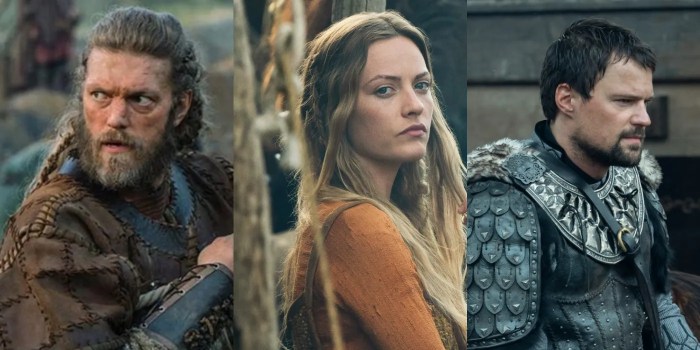
Travis Fimmel’s journey to becoming the iconic Ragnar Lothbrok is a fascinating one, and the actor’s life experiences played a pivotal role in shaping his performance. His background, encompassing his time as a farmhand and his rise through the modeling world, provided a unique foundation upon which he built the complex character of the Viking legend.
Early Life and Pre-Acting Experiences
Fimmel’s upbringing on a dairy farm in Australia instilled in him a grounded, practical nature. This connection to the land and a hard-working ethos likely resonated with the Viking ethos of survival and resilience. This early life experience was fundamental to his portrayal.
- His time as a farmhand shaped his physical presence. The strength and physicality he displayed as Ragnar were rooted in this early work. This background gave him an authenticity that resonated with viewers.
- The transition to the world of modeling, though seemingly different, also contributed to his preparation for acting. The demands of the modeling industry – the need for self-awareness, the ability to project a certain image, and the discipline to maintain a physique – undoubtedly sharpened his focus and his ability to understand the nuances of presenting himself.
- Fimmel’s early acting roles, while not numerous before
-Vikings*, provided valuable experience. While details about those roles are sometimes difficult to find, they were a testing ground for his talent.
Integration of Personal Life and Previous Experiences
Fimmel’s ability to imbue Ragnar with depth stemmed from his personal understanding of the character’s motivations. He brought his own experiences of observation and introspection to the role.
- The portrayal of Ragnar’s stoicism, his ability to mask emotions, and his occasional bursts of passionate expression may have drawn from Fimmel’s own personality. This is based on accounts of his reserved nature in interviews and his commitment to his craft.
- Specific scenes, such as those depicting Ragnar’s quiet moments of contemplation or his interactions with the natural world, likely reflected Fimmel’s own connection to nature, developed during his upbringing on the farm.
- The way Fimmel conveyed Ragnar’s intelligence and strategic thinking might have benefited from his own ability to analyze and understand complex situations.
Evolution of Acting Style Throughout the Series
The evolution of Fimmel’s acting style throughoutVikings* is a testament to his growth as an actor and the character’s dynamic journey. The character’s development and the changing dynamics of the show significantly impacted his performance.
- In the early seasons, Ragnar is portrayed as a young, ambitious warrior. Fimmel’s performance is characterized by youthful energy, ambition, and a certain naiveté. His movements and expressions reflect a character still finding his way.
- As Ragnar matures, his acting style becomes more nuanced. Fimmel expertly conveys the weight of leadership, the toll of war, and the complexities of Ragnar’s relationships. The evolution reflects the character’s journey from warrior to king.
- In later seasons, as Ragnar grapples with mortality and the consequences of his actions, Fimmel’s performance becomes more introspective. His portrayal emphasizes Ragnar’s internal struggles, his philosophical musings, and his moments of vulnerability.
- The shifting dynamics of the show, particularly Ragnar’s relationships with Lagertha, Rollo, and his sons, also influenced Fimmel’s acting. His interactions with other actors, and his ability to react to the changing narrative, showcased his versatility.
The impact of Travis Fimmel’s performance on the popularity and success of the Vikings series is substantial

Travis Fimmel’s embodiment of Ragnar Lothbrok was undeniably the heart and soul ofVikings*, propelling the show to global acclaim. His nuanced portrayal didn’t just depict a historical figure; it crafted a compelling character that resonated deeply with audiences and critics alike, fundamentally shaping the series’ trajectory and legacy. His ability to blend vulnerability with ruthlessness, intelligence with impulsiveness, made Ragnar a captivating protagonist.
Character Influence and Emotional Investment
Fimmel’s Ragnar wasn’t just a warrior; he was a visionary, a father, and a man wrestling with his own mortality and ambition. This multifaceted approach was crucial. The audience wasn’t merely witnessing battles and raids; they were experiencing Ragnar’s internal conflicts, his loves, his losses, and his relentless pursuit of knowledge.His performance fostered an extraordinary level of emotional investment. Viewers weren’t just passively watching; they were actively invested in Ragnar’s triumphs and devastated by his failures.
This deep connection translated into soaring viewership numbers and fervent social media discussions, proving the immense impact of Fimmel’s acting. Consider how many fans mourned Ragnar’s death, a testament to the character’s emotional hold. This emotional investment directly fueled the show’s success. The anticipation for each episode, the online discussions, and the fan theories were all driven by the desire to see what Ragnar would do next, what choices he would make, and how he would impact the world around him.
This emotional connection was the cornerstone of
Vikings’* popularity.
Specific Scenes and Impactful Moments, Who played ragnar in the vikings
Fimmel’s acting prowess was evident in numerous scenes, each contributing significantly to the show’s success.
- The Seer’s Prophecies: The scenes with the Seer were pivotal. Fimmel’s portrayal of Ragnar, listening intently to the cryptic pronouncements, his face a canvas of curiosity, fear, and determination, captivated viewers. The Seer’s prophecies provided a framework for the series’ narrative and allowed Fimmel to showcase Ragnar’s internal struggles with destiny. This also helped to make the series a subject of speculation among fans.
- The Raid on Paris: The raid on Paris was a masterclass in acting. Fimmel’s Ragnar, injured and on the brink of death, yet still strategizing and inspiring his men, was a display of his acting skills. The scene was made more powerful by the contrast between Ragnar’s physical suffering and his mental acuity. The vulnerability he showed, coupled with his unwavering resolve, was a crucial moment in cementing the series’ impact.
- The Family Dynamics: Fimmel’s interactions with his family, particularly with his sons and Lagertha, were equally crucial. These scenes, often filled with quiet moments of tenderness and complex emotions, humanized Ragnar and allowed viewers to see the man behind the legend. His performance in these scenes provided a crucial balance to the action and violence of the series, showing the emotional depth of the character.
These scenes, and many others, are testaments to Fimmel’s ability to embody Ragnar Lothbrok. His performance wasn’t just acting; it was a transformation, a complete immersion in the character that made
Vikings* the success it became.
Comparison Table: Ragnar Lothbrok with other Notable Figures
The following table highlights the unique aspects of Fimmel’s portrayal of Ragnar Lothbrok, comparing him with other historical or fictional figures.
| Character | Source | Key Traits | Distinctive Aspects of Fimmel’s Ragnar |
|---|---|---|---|
| King Arthur | Historical/Legendary | Noble, just, courageous, leader | Emphasized pragmatism, intellectual curiosity, and moral ambiguity, not just heroism. He challenged established norms and embraced change, setting him apart. |
| William Wallace | Historical/Film | Fierce warrior, nationalistic, driven by revenge | Ragnar, while a warrior, was driven by curiosity and a desire for knowledge, which was more complex. |
| Tyrion Lannister | Fictional (A Song of Ice and Fire) | Intelligent, witty, politically astute, survivor | Ragnar’s ruthlessness was more overt and direct, contrasting with Tyrion’s reliance on wit and manipulation. |
| Alexander the Great | Historical | Conqueror, military strategist, ambitious | Fimmel’s Ragnar was less about grand conquest and more about exploration and understanding the world. He was more introspective, which contrasted Alexander’s ambition. |
This table illustrates the unique aspects of Fimmel’s performance. His Ragnar wasn’t a simple hero or villain; he was a complex individual who embodied the spirit of exploration, ambition, and the constant struggle between tradition and progress. This complexity, combined with Fimmel’s acting, is what made Ragnar such a compelling and successful character, significantly contributing to the overall success of – Vikings*.
The physical transformation and wardrobe choices for Ragnar Lothbrok played a crucial role in shaping the character’s identity
The captivating allure of Ragnar Lothbrok onVikings* was meticulously crafted, extending far beyond the superb acting. It was a symphony of visual elements, each note carefully chosen to resonate with the audience. From the rugged physicality of Travis Fimmel to the evolution of his attire, every detail played a critical role in shaping the character’s identity and drawing viewers deeper into the world of the Norsemen.
Physical Transformation for Ragnar Lothbrok
Travis Fimmel’s transformation into Ragnar Lothbrok was a testament to the power of commitment and collaboration. The process was far more than just growing out his hair; it was a holistic undertaking that aimed to embody the strength, resilience, and cunning of the legendary Viking. The aim was to create a visual representation of a man capable of both brutal warfare and visionary leadership.The cornerstone of Ragnar’s physical transformation was, undoubtedly, his hair.
Initially, it was styled in a practical, slightly disheveled manner, reflecting his life as a farmer and raider. As the series progressed, the hair evolved to become longer, often braided or pulled back, signifying his rise in status and the increasing complexity of his character. This wasn’t merely a cosmetic change; the hairstyle was a visual cue, mirroring Ragnar’s growing influence and the weight of his decisions.
The hair was carefully coiffed, not just styled.Makeup played a subtle but significant role. While not overly dramatic, the makeup team employed techniques to enhance Fimmel’s natural features and create a sense of rugged realism. This included subtly darkening his eyebrows and adding realistic scars and dirt, particularly after battle scenes. The goal was to portray a man who had seen hardship and fought for his survival, and it was achieved through meticulous attention to detail.Tattoos were another crucial element.
Ragnar’s tattoos weren’t mere decorations; they were integral to his identity. The designs were inspired by Norse mythology and Viking symbolism, adding layers of meaning to his character. The tattoos served as a visual representation of his beliefs, his lineage, and his connection to the gods. The tattoo placement and design evolved throughout the series, reflecting key events in his life and the evolution of his spiritual journey.Furthermore, Fimmel underwent a physical regimen to build a physique that was both strong and believable for a Viking warrior.
While not overly muscular, he possessed a lean, athletic build that suggested the strength and endurance required for raiding and fighting. This involved a combination of diet and exercise, which was carefully managed to maintain the desired aesthetic.The combination of hair, makeup, tattoos, and physical conditioning worked in concert to create a believable and compelling portrayal of Ragnar Lothbrok. The choices were made with the utmost care, all contributing to the creation of a character that resonated with audiences worldwide.
Evolution of Ragnar’s Wardrobe
Ragnar’s wardrobe was a carefully curated reflection of his journey, evolving from simple farmer’s attire to the regalia of a king. The clothing was more than just costumes; it was a visual language that spoke volumes about his character’s progression.From the beginning, Ragnar’s clothing reflected his humble origins. He was often seen in practical, functional garments made from natural materials like linen and wool.
These outfits, while simple, were designed to reflect the harsh realities of Viking life.As Ragnar rose in power, his wardrobe transformed. He began to incorporate richer fabrics, finer details, and more elaborate designs. Leather became more prominent, reflecting his status as a warrior and leader. The addition of furs and embellishments, such as intricately crafted belts and jewelry, further solidified his authority.Armor and accessories also played a significant role.
Ragnar’s armor evolved from basic leather protection to more elaborate designs, signifying his growing military prowess and his position as a leader. The inclusion of a shield, weapons, and helmets was not merely for visual effect; these items were critical to the story and served to communicate Ragnar’s role as a protector and a fighter.The wardrobe also reflected specific moments in Ragnar’s life.
For example, during his raids, he wore practical clothing that allowed for movement and agility. When he was in the company of royalty, he donned more elaborate attire, signifying his status as a diplomat and a leader.The clothing choices weren’t just about aesthetics; they served a narrative purpose. The evolution of Ragnar’s wardrobe was a visual representation of his journey, reflecting his rise in power, his evolving relationships, and his increasing complexity as a character.
Visual Elements and Audience Perception
The visual elements of Ragnar’s appearance, particularly his hairstyle and tattoos, were pivotal in shaping the audience’s perception of the character and the show’s overall aesthetic. These elements served as powerful storytelling tools, conveying information about Ragnar’s personality, beliefs, and journey.The hairstyle, for example, was a constant visual reminder of Ragnar’s identity. The initial, practical style reflected his humble beginnings, while the later, more elaborate styles mirrored his growing status and influence.
The hairstyles also varied depending on the context, from the rugged practicality of his raiding days to the more refined looks of his courtly life.Tattoos were a particularly powerful element. They were not merely decorative; they were a visual language, communicating Ragnar’s connection to Norse mythology, his beliefs, and his personal experiences. The placement and designs of the tattoos were carefully considered, and the evolving tattoos throughout the series showed the audience how Ragnar had changed over time.The visual elements also contributed to the show’s overall aesthetic.
The ruggedness of Ragnar’s appearance, combined with the earthy tones of his clothing and the harsh beauty of the landscapes, helped to create a believable and immersive world. This aesthetic, in turn, drew viewers into the story and helped them connect with the characters on a deeper level.The combination of hairstyle, tattoos, and wardrobe choices served to make Ragnar Lothbrok a compelling and memorable character.
These visual elements worked together to create a character that was both believable and captivating, helping to establish
Vikings* as a visually stunning and narratively rich series.
The legacy of Travis Fimmel’s portrayal of Ragnar Lothbrok continues to influence popular culture

The impact of Travis Fimmel’s portrayal of Ragnar Lothbrok extends far beyond the screen, shaping the modern understanding and perception of Viking culture. His performance didn’t just entertain; it redefined the historical narrative for a contemporary audience, leaving an indelible mark on how Vikings are depicted across various media. Fimmel’s interpretation has become a touchstone, influencing subsequent portrayals and inspiring artistic expression.
Impact on the Perception of Viking Culture in Modern Media
Fimmel’s portrayal of Ragnar, with his intelligence, ambition, and internal conflicts, offered a nuanced view of Viking life. Previously, Vikings were often portrayed as one-dimensional barbarians. This depiction provided a complex character, appealing to audiences and prompting a renewed interest in the historical period.
- Television: Shows like “The Last Kingdom” and “Vikings: Valhalla,” while telling different stories, undoubtedly benefited from the groundwork laid by Fimmel. The emphasis on character development, political intrigue, and the clash of cultures owes a debt to the success of “Vikings.” The very tone and aesthetic of these shows, including the use of specific hairstyles, clothing, and weaponry, often reflect the influence of Fimmel’s Ragnar.
- Movies: Films featuring Vikings, even those predating “Vikings,” have seen a shift in approach. The focus is now more on the cultural richness and internal struggles of the Vikings, moving away from purely action-oriented narratives. The popularity of “The Northman,” for example, demonstrates the audience’s appetite for a more historically informed and character-driven Viking story.
- Other Forms of Artistic Expression: The impact extends to literature, video games, and even music. Viking-themed books and games have surged in popularity, often drawing inspiration from the themes and character archetypes established by “Vikings.” The visual aesthetics of Viking-themed art, from tattoos to illustrations, frequently echo Fimmel’s Ragnar, with his distinctive look becoming a recognizable symbol.
Examples of References and Parodies in Popular Culture
Ragnar Lothbrok’s influence can be observed in various forms of media, from direct references to humorous parodies. This highlights the enduring influence of the character and Fimmel’s performance.
- Direct References: The character has been referenced in other television shows, video games, and even advertising campaigns. These references often leverage Ragnar’s iconic look or famous quotes, instantly recognizable to a broad audience.
- Parodies: Comedy sketches and memes have frequently parodied Ragnar, particularly his intense gaze, strategic thinking, and iconic hairstyle. These parodies demonstrate the character’s pervasive presence in popular culture.
- Influence on Character Archetypes: The archetype of the intelligent, charismatic, and ambitious leader, as exemplified by Ragnar, has become a template for many subsequent characters in fantasy and historical dramas.
“Travis Fimmel
- was* Ragnar. He brought a depth and vulnerability to the character that resonated with everyone. You felt his ambition, his pain, and his love for his family. He made Vikings human.”
- *A fan comment on a social media platform.*
“Fimmel’s Ragnar wasn’t just a warrior; he was a thinker, a strategist, and a complex individual. His performance elevated the entire series and redefined how we see Viking history.”
*A critic’s review of the series.*
“The way Fimmel portrayed Ragnar’s relationship with his sons, especially Bjorn, was incredibly moving. It added a layer of emotional depth that was unexpected and profoundly impactful.”
*A comment from a viewer on a streaming service.*
