Embark on a journey into the realm of public records with the boone county jail inmate roster. This isn’t just a list; it’s a window into the local justice system, a resource for those seeking answers, and a tool that promotes transparency. Imagine it as a digital town square where information about individuals within the Boone County Jail is readily available. Whether you’re a concerned family member, a legal professional, or simply a curious citizen, this roster serves as a vital key, unlocking insights into the lives of those incarcerated and the processes that govern their detention.
Delving into the specifics, the roster unveils a wealth of data. Expect to find inmate names, the charges against them, the dates they were booked, and potential release information. It’s a snapshot of the current state of affairs, updated regularly to reflect the dynamic nature of the jail’s population. Furthermore, this transparency fosters public trust. By making this information accessible, the county demonstrates its commitment to accountability, allowing the community to monitor the system and ensure fairness.
Understanding the roster’s structure and purpose empowers individuals to navigate the complexities of the legal landscape and participate more fully in their civic duties.
Understanding the Boone County Jail Inmate Roster provides crucial information about detainees
The Boone County Jail inmate roster is a vital public resource, acting as a window into the local criminal justice system. It offers insights into the individuals currently detained within the jail, the charges they face, and their current status. This information is not just for the curious; it’s a cornerstone of transparency, ensuring accountability and fostering public trust in the operations of the Boone County Jail and the broader legal system.
Access to this information is a fundamental right, supporting informed citizenship and enabling a more engaged community.
Primary Purpose and Significance of the Boone County Jail Inmate Roster
The primary purpose of the Boone County Jail inmate roster is to provide a readily accessible and up-to-date listing of individuals currently incarcerated within the jail’s walls. This roster serves as a crucial informational tool, enabling the public, media, and legal professionals to ascertain who is detained, the nature of their alleged offenses, and their current status within the judicial process.
This seemingly simple list has profound implications for the principles of open government and public accountability.The significance of this roster extends far beyond mere record-keeping. It allows families and friends to locate and communicate with incarcerated individuals, facilitating essential support networks. It also enables legal representatives to track and monitor their clients’ cases, ensuring their rights are protected. For journalists and the media, the roster provides a vital source of information for investigative reporting, shedding light on the demographics of the incarcerated population and identifying potential trends within the criminal justice system.
Furthermore, it helps to deter abuses of power, as the public can easily verify that individuals are being held lawfully and that due process is being followed. The roster acts as a check on the system, promoting transparency and holding the authorities accountable for their actions. Without this readily available information, the public’s ability to oversee and participate in the judicial process would be significantly diminished.
It supports a system where justice is not only served but also seen to be served. The roster embodies the idea that justice should be administered in the open, allowing the public to understand the realities of the criminal justice system.
Types of Information Found on a Jail Roster
A typical Boone County Jail inmate roster is a comprehensive document providing a wealth of information about each detainee. It’s designed to be a readily accessible resource, offering a clear picture of who is incarcerated and why. The information is usually updated regularly to reflect changes in custody status.Here’s a detailed overview of the types of information generally found on a jail roster:
- Inmate Names and Identifying Information: The roster begins with the inmate’s full legal name, often including any aliases. This is the primary means of identifying an individual. Additional details like date of birth, race, and physical description (height, weight, eye color, hair color) are typically included to help distinguish one inmate from another.
- Charges and Offenses: The roster clearly lists the charges the inmate is facing. This section provides the specific offenses for which the individual has been arrested, ranging from misdemeanors to felonies. The charges are usually listed with their corresponding statute numbers, allowing for easy reference to the specific laws allegedly violated.
- Booking Dates and Times: The roster includes the date and time the inmate was booked into the jail. This information is crucial for understanding the timeline of the arrest and the subsequent judicial process. It helps to track how long an individual has been in custody.
- Bond Information: This section details the bail amount set by the court, if applicable. It specifies whether the inmate has posted bond and, if so, the date and time of their release. It may also include information about the type of bond (e.g., cash, surety).
- Court Dates: The roster often lists upcoming court dates for each inmate, including the type of hearing (e.g., arraignment, preliminary hearing, trial). This information is essential for legal professionals, family members, and the public who wish to monitor the progress of a case.
- Release Information: The roster provides information about an inmate’s release status. This includes the date of release (if applicable), the reason for release (e.g., bond posted, sentence served, dismissal of charges), and the releasing authority.
- Housing Location: To aid in locating inmates within the jail, their assigned housing unit or cell block may also be included. This information can be useful for visitation purposes or for legal counsel.
This detailed information provides a transparent view of the detention process and ensures the public can monitor the operations of the jail.
Contribution to Transparency and Accountability
The Boone County Jail inmate roster plays a pivotal role in fostering transparency and accountability within the local criminal justice system. Its accessibility empowers the public to monitor the actions of law enforcement and the courts, contributing to a more just and equitable society. The very existence of this roster signals a commitment to open government and the principle that justice should be administered openly.This readily available information helps to build public trust in several ways.
Firstly, it allows the public to verify that individuals are being held lawfully, and that due process is being followed. This verification prevents potential abuses of power and reduces the possibility of secret detentions. Secondly, the roster facilitates media scrutiny and investigative reporting, which in turn holds law enforcement and judicial bodies accountable for their actions. Investigative journalism often relies on public records, like inmate rosters, to uncover systemic issues or potential misconduct.
This type of reporting serves as a check on the system, helping to ensure that the laws are being applied fairly and consistently. For example, if the roster shows an unusual pattern of arrests or excessive bail amounts, it could prompt further investigation into potential biases or disparities.The inmate roster also empowers families and friends to stay informed about their loved ones’ situations.
This can alleviate stress and anxiety, as well as ensure that incarcerated individuals receive the support they need. Access to this information also facilitates legal representation, as attorneys can use the roster to locate their clients and track the progress of their cases. By providing this information to the public, the jail system is demonstrating a commitment to transparency, which builds trust and confidence in the community.
When the public can see how the system operates, they are more likely to believe that it is functioning fairly and justly.
Accessing the Boone County Jail Inmate Roster requires understanding of the procedures
Accessing the Boone County Jail inmate roster is a process that can be navigated with ease when you know the available avenues. The following sections will guide you through the methods, the steps, and the potential hurdles involved in obtaining this important information. Remember, the goal is to access this data responsibly and ethically.
Methods for Accessing the Boone County Jail Inmate Roster
Understanding the different access points for the Boone County Jail inmate roster is crucial for efficient information retrieval. Several methods are available, each with its own advantages and potential limitations.
- Online Portals: The most convenient method is often the online portal, typically accessible through the Boone County Sheriff’s Office website. This portal usually provides a searchable database. Be prepared for occasional website maintenance that might temporarily limit access.
- Physical Visits: For those without internet access or who prefer a more direct approach, physical visits to the Boone County Jail or the Sheriff’s Office are possible. This allows you to speak with a staff member and potentially access a physical roster or receive assistance with the online portal.
- Telephone Inquiries: The Boone County Jail may offer a telephone inquiry service. This allows you to call a designated number and request inmate information. Be prepared to provide identifying information about the inmate to ensure accurate results. Remember that the information provided might be limited compared to online resources.
Steps for Locating an Inmate Using the Roster
Successfully navigating the Boone County Jail inmate roster requires a clear understanding of the search process. Whether using an online portal, a physical roster, or a telephone service, the core steps remain consistent.
The first step is identifying the search criteria.
- Searching by Name: The most common method involves searching by the inmate’s full name. This may require entering both the first and last name. Some systems may also allow for partial name searches, but be aware that this can yield a larger number of results, and thus require additional verification.
- Searching by Booking Number: If you know the inmate’s booking number, this provides the most direct and accurate method. This unique identifier is assigned upon the inmate’s arrival at the jail. This number can be found on legal documents or obtained from the inmate.
- Searching by Other Identifying Information: Some systems allow searches using other identifiers, such as date of birth or race. This can be helpful when a name is common. Be aware that the accuracy of the information you provide will directly impact the results.
After entering the search criteria, the system will display a list of potential matches. Carefully review the results to confirm the inmate’s identity.
Finally, once you’ve located the correct inmate, you’ll be able to access the relevant information. This often includes:
- Booking photo
- Booking date
- Charges
- Bond amount
- Housing location within the jail
Potential Challenges Encountered When Accessing the Roster
While accessing the Boone County Jail inmate roster is generally straightforward, users may face various challenges that can hinder their efforts. Being aware of these potential issues allows for proactive planning and problem-solving.
One common challenge is website downtime.
- Website Downtime: The online portal, being a digital platform, is susceptible to downtime due to maintenance, technical issues, or updates. Scheduled maintenance can often be anticipated through announcements on the Sheriff’s Office website, but unexpected outages can occur.
- Information Accuracy: The information contained within the roster is only as accurate as the data entry. Typographical errors, incorrect information provided by the inmate, or delays in updating the roster can lead to inaccuracies. Always verify information through multiple sources when possible. For example, if the charges listed seem unusual, a cross-reference with court records might be advisable.
- Privacy Concerns: While the inmate roster is public information, the balance between public access and individual privacy is always a concern. The roster typically includes basic information, but sensitive details such as medical history or specific housing locations might be restricted. Be mindful of the sensitivity of the information and respect the privacy of those involved. For instance, the exact cell number may not be displayed for security reasons.
- Data Security: The security of the data is a critical concern. Any vulnerability can lead to unauthorized access, modification, or disclosure of information. Security measures should be implemented to protect the integrity and confidentiality of the data. For example, if the website is not using a secure connection (HTTPS), it can be more vulnerable to cyberattacks.
- Limited Information: Some rosters may not contain all the information you are looking for. The level of detail provided can vary depending on the jurisdiction, local laws, and the specific policies of the Boone County Jail. You might not find information about past incarcerations, for instance.
Interpreting the Boone County Jail Inmate Roster demands a careful consideration of details

The Boone County Jail Inmate Roster, while a valuable resource, can sometimes feel like you’re trying to decode an ancient scroll. Understanding the jargon and abbreviations is key to unlocking the information it holds. Think of it as learning a new language – once you grasp the basics, the roster becomes much more accessible. Let’s break down how to decipher those cryptic entries.
Deciphering Codes and Abbreviations
Navigating the Boone County Jail Inmate Roster often feels like entering a secret society, with its own set of codes and abbreviations. Fear not, though! With a little patience and this guide, you’ll be fluent in “roster-ese” in no time.Understanding the common codes and abbreviations used on the roster is crucial. Here’s a breakdown:
- Charge Codes: These are the three-to-five-letter codes representing the specific offenses the inmate is charged with. For instance, “DUI” typically stands for Driving Under the Influence, while “THEFT” indicates theft-related charges. Each code corresponds to a specific section of the legal code.
- Bond Amounts: This is the amount of money required to secure an inmate’s release.
- “PR” (Personal Recognizance) bond means the inmate is released on their promise to appear in court.
- “Cash Only” bond requires the full bond amount to be paid in cash.
- “Surety” bonds involve a bail bondsman, who posts the bond for a fee (usually 10% of the bond amount).
- Court Dates and Times: These entries specify when and where the inmate is scheduled to appear in court. Always double-check these with the court directly, as dates can change.
- Abbreviations for Court Types: Abbreviations like “CIR” (Circuit Court) or “CTY” (County Court) indicate the specific court handling the case.
- Status Codes: These codes provide updates on the inmate’s status. For example:
- “BOOKED” indicates the inmate has been admitted.
- “HELD” means the inmate is awaiting further legal proceedings.
- “RELEASED” signifies the inmate has been discharged.
- “FTA” (Failure to Appear): This indicates that the inmate failed to appear in court as scheduled, potentially leading to a warrant for their arrest.
Learning these abbreviations helps you understand the information provided on the roster. Remember, the roster is a snapshot in time; details can change.
Navigating the Boone County Jail Inmate Roster offers several important considerations
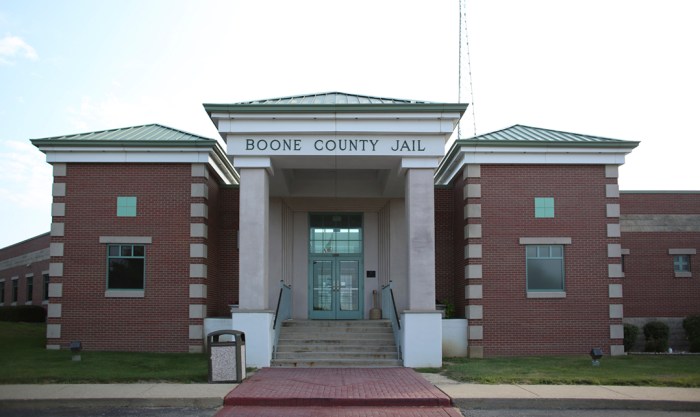
Accessing the Boone County Jail Inmate Roster is a valuable resource, yet it’s essential to approach it with a clear understanding of its inherent limitations. This understanding allows for a more informed and responsible use of the information provided, preventing misinterpretations and respecting the privacy of those involved. Let’s delve into some crucial factors to keep in mind.
Limitations of the Boone County Jail Inmate Roster
The Boone County Jail Inmate Roster, while a public service, isn’t without its constraints. It’s crucial to acknowledge these limitations to use the information responsibly.The first major limitation concerns the timeliness of updates.
Information updates may not be instantaneous. There can be a delay between an inmate’s booking and when their information appears on the roster. This lag could be due to various factors, including data entry procedures, system processing times, or staffing availability.
As a result, relying solely on the roster for real-time information might lead to inaccurate conclusions.Privacy concerns also restrict the information available. While the roster provides basic details, certain sensitive information is often excluded to protect the privacy of inmates. For example, the roster typically won’t include detailed medical records, the specifics of charges beyond the basic offense, or any information that could compromise an ongoing investigation.Furthermore, the roster might not always be exhaustive.
Not all individuals held within the Boone County Jail will necessarily appear on the public roster. This could be due to factors like juvenile status, ongoing investigations that require confidentiality, or specific court orders.Consider this scenario:Imagine a family member trying to locate a loved one. They check the roster and find no record. This doesn’t automatically mean the person isn’t in custody; it could simply indicate a delay in updating the system or the exclusion of information due to privacy concerns.It’s also essential to recognize that the information presented is, in essence, a snapshot in time.
An inmate’s status, charges, and location within the facility can change rapidly. The roster should therefore be viewed as a starting point for information, not a definitive and complete record.
Comparison with Other Correctional Facilities
The format, content, and accessibility of inmate rosters can vary significantly across different correctional facilities. Understanding these differences is crucial for navigating the Boone County Jail roster effectively.Let’s examine some key points of comparison:The presentation of information can differ significantly. Some facilities use user-friendly, searchable online databases, while others may provide only PDF documents or require direct inquiries. The Boone County Jail’s roster’s user interface is straightforward, offering basic search functionality.
Other facilities might offer more advanced features, such as the ability to view mugshots or track an inmate’s commissary balance, or have a less intuitive design.The level of detail also varies. Some rosters provide only basic information, such as name, booking number, and charges. Others may include more extensive data, such as mugshots, bond amounts, release dates, and visiting schedules.
For instance, a larger county jail might provide detailed information, reflecting the availability of resources and the facility’s commitment to public transparency. Boone County’s roster offers a moderate level of detail, balancing transparency with privacy considerations.Accessibility is another critical factor. The Boone County Jail roster is generally accessible online, but some facilities might restrict access to certain information or require in-person visits or phone calls.
Smaller facilities, for example, may have fewer resources dedicated to maintaining an online roster. Some facilities might charge fees for accessing specific records, while others provide them free of charge.Consider the example of a neighboring county.Their roster might include links to inmate release information and court dates, while Boone County’s roster focuses on current custody status. This difference reflects varying levels of resource allocation and policy priorities.Another key difference is the frequency of updates.
Some facilities update their rosters multiple times a day, while others may update only once a day or even less frequently. This variation can affect the accuracy and timeliness of the information available.Ultimately, comparing the Boone County Jail roster to others highlights the importance of understanding the specific features and limitations of each system.
Ethical Considerations of Public Availability, Boone county jail inmate roster
The public availability of inmate information raises several ethical considerations. Balancing the public’s right to know with an inmate’s right to privacy and the potential for misuse requires careful consideration.Here are some key ethical dilemmas:The potential for misuse is a significant concern. Publicly available information can be used for harassment, stalking, or even identity theft. For example, a person with malicious intent could use an inmate’s address or release date to commit a crime or cause harm.The impact on an inmate’s reputation is another crucial consideration.
Publicly accessible information about an arrest or conviction can have long-lasting consequences, affecting employment opportunities, housing prospects, and social standing. Even if an inmate is later found innocent, the information may remain available online, potentially damaging their reputation.The question of proportionality is also relevant. Is the public benefit of knowing an inmate’s information proportionate to the potential harm caused to the individual?
This question becomes particularly relevant when considering the level of detail provided on the roster.Consider this example:Providing the specific details of an inmate’s charges might be necessary for public safety. However, including personal details, such as their home address, might not be essential and could increase the risk of harm.Another ethical consideration involves the accuracy and completeness of the information.
Inaccurate or incomplete information can lead to misinterpretations and unfairly damage an inmate’s reputation.Finally, the principle of fairness is paramount. The availability of inmate information should be applied consistently and without discrimination. It is important to avoid bias or prejudice based on race, gender, or any other protected characteristic.These ethical considerations highlight the need for responsible use of inmate rosters.
It is crucial to be mindful of the potential for misuse and to respect the privacy and dignity of those whose information is publicly available.
Using the Boone County Jail Inmate Roster requires a clear understanding of its functions

The Boone County Jail Inmate Roster isn’t just a list; it’s a vital tool offering a window into the local correctional system. It serves various functions, each critical for different user groups, from concerned family members to legal professionals and the general public. Understanding these functions is key to effectively utilizing the roster and accessing the information it provides.
Locating and Monitoring Inmates
The Boone County Jail Inmate Roster allows different user groups to efficiently locate and monitor inmates. This functionality is crucial for several reasons.Family members can use the roster to quickly determine if a loved one is incarcerated. This immediate information can alleviate anxiety and initiate the process of providing support. For instance, a frantic phone call from a family member could be calmed by the simple act of confirming an inmate’s status.
Legal professionals leverage the roster to track clients, ensuring they can promptly begin the legal process and provide the necessary assistance. The general public can access the roster to maintain transparency in the justice system. The ability to verify who is incarcerated, and why, fosters accountability within the community.The roster typically includes:
- Inmate’s Full Name: This is the primary identifier, allowing users to accurately search and confirm the identity of the individual.
- Booking Number: A unique number assigned to each inmate, crucial for official records and communication.
- Date of Birth: Used to further verify identity and distinguish between individuals with similar names.
- Booking Date: Indicates when the inmate was admitted to the jail.
- Charges: A concise list of the alleged offenses.
- Bond Amount: The monetary value required for release, if applicable.
- Release Date (if applicable): The date the inmate was released or is expected to be released.
- Current Location: Specifies the housing unit or cell block within the jail.
This information is invaluable for family members, legal professionals, and the public to stay informed and engaged with the justice system. The roster’s transparency promotes accountability and provides a crucial starting point for anyone seeking information about an inmate’s status.
