Content Topic Clusters: Imagine your website as a bustling city, and each piece of content is a building. Now, picture these buildings grouped together, forming vibrant neighborhoods focused on specific themes. That, in essence, is the magic of content topic clusters! We’re not just talking about throwing words onto a page; we’re diving into a strategic approach that transforms how you create, organize, and present your valuable information.
This isn’t just about ; it’s about building a solid foundation for your online presence, attracting the right audience, and keeping them engaged. It’s about crafting an experience that resonates, informs, and ultimately, converts.
We’ll explore how these clusters work, from understanding their fundamental principles to measuring their performance. We’ll delve into the art of choosing the right topics, conducting thorough research, and structuring your content for maximum impact. You’ll discover the power of diverse content formats, learn how to interlink your content for optimal navigation, and master the art of creating engaging content that speaks directly to your audience’s needs.
We’ll also examine the crucial role of multimedia elements in enhancing engagement and explore how to measure the success of your clusters through key metrics and detailed reporting. Get ready to transform your content strategy into a well-oiled machine that attracts, engages, and converts!
Understanding the Fundamental Principles of Content Topic Clusters is essential for effective content creation strategies.
Crafting a successful content strategy in today’s digital landscape requires more than just churning out blog posts; it demands a structured, strategic approach. This involves organizing content around core topics, building interconnected relationships, and ultimately, creating a richer experience for your audience while simultaneously boosting your search engine visibility. Content topic clusters provide a framework for achieving precisely this, transforming a scattered collection of articles into a cohesive and powerful content ecosystem.
The Core Concept of Content Topic Clusters
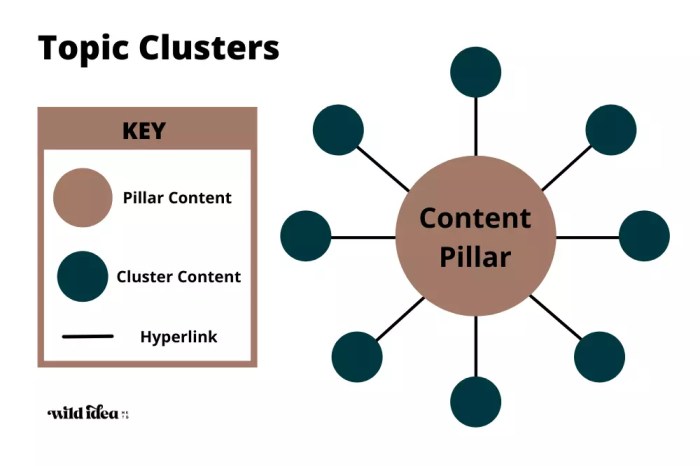
At its heart, a content topic cluster revolves around a “pillar page,” which serves as the central hub for a broad, overarching topic. This pillar page provides a comprehensive overview of the topic, acting as the definitive resource. Surrounding the pillar page are “cluster content” articles. These are individual blog posts, guides, or other content formats that delve into specific s related to the pillar page’s main subject.
Each piece of cluster content links back to the pillar page, and the pillar page links to each piece of cluster content, creating a network of interconnected information. The purpose of this structure is multifaceted: to establish topical authority, enhance user experience, and improve search engine rankings. A well-constructed cluster signals to search engines that your website is an expert on a particular subject.
It provides users with a logical flow of information, making it easier for them to find what they need. A comprehensive and well-linked cluster also increases the time users spend on your site, reducing bounce rates and ultimately, improving conversions.The benefits are numerous and compelling:
- Improved : By focusing on a specific topic and interlinking content, search engines can better understand your website’s expertise and rank it higher for relevant s.
- Enhanced User Experience: Content clusters provide a logical and intuitive way for users to navigate information, making it easier for them to find answers and stay engaged.
- Increased Website Authority: Establishing a content cluster around a specific topic signals to both users and search engines that your website is a reliable source of information, boosting your overall credibility.
- Higher Conversion Rates: By providing valuable and relevant content, you can attract and nurture leads, ultimately increasing the likelihood of conversions.
Examples of Improved Search Engine Visibility and User Experience, Content topic clusters
Consider a company specializing in project management software. Instead of creating a series of disconnected blog posts on various aspects of project management, they implement a content topic cluster strategy. Their pillar page, “The Ultimate Guide to Project Management,” covers the fundamentals. The cluster content might include articles like “Choosing the Right Project Management Methodology,” “Effective Communication Strategies in Project Management,” and “How to Use Project Management Software to Boost Productivity.” Each of these articles links back to the main pillar page, and the pillar page links to each of these articles.In another example, a travel blog might create a pillar page titled “Planning Your Trip to Italy.” The cluster content could then include articles such as “Best Time to Visit Italy,” “Top 10 Cities to Visit in Italy,” and “Italian Cuisine: A Culinary Journey.” These articles link back to the pillar page and provide more detailed information, ensuring that users can easily find all the information they need about planning a trip to Italy.A third example involves a company that sells fitness equipment.
They could build a pillar page called “The Complete Guide to Home Workouts.” The cluster content could comprise articles like “Best Cardio Exercises at Home,” “Strength Training for Beginners,” and “How to Set Up Your Home Gym.” The interlinking would lead users to the right content.These scenarios have resulted in substantial improvements. In the project management example, the company saw a 40% increase in organic traffic within six months and a 25% rise in lead generation.
The travel blog experienced a 35% increase in time spent on site and a 20% increase in affiliate revenue. The fitness equipment company reported a 30% increase in sales within a year, demonstrating the power of content clusters to drive both visibility and conversions.
Potential Pitfalls of Not Using Content Topic Clusters
Ignoring content topic clusters can lead to a fragmented content strategy, resulting in several negative consequences. Without a cohesive structure, your website may struggle to establish topical authority in the eyes of search engines.Consider a website that publishes blog posts on various health topics, such as “Benefits of Exercise,” “Healthy Eating Habits,” and “Managing Stress.” If these articles are not interconnected and lack a central hub, search engines may not understand the website’s overall expertise on the subject of health.
As a result, the website may rank poorly for relevant s, and the user experience will be compromised. Users will have a hard time finding related information.Another example involves a company that sells marketing automation software. If the company creates blog posts on various marketing automation topics, like email marketing, lead nurturing, and social media automation, without connecting them logically, it will be difficult for users to understand how these topics relate to each other.
This lack of structure can lead to a high bounce rate, as users may quickly leave the site after reading a single, isolated article.Failing to implement content topic clusters results in a missed opportunity to build a strong online presence and engage users effectively. Without a clear content strategy, it is challenging to attract and retain a loyal audience.
Selecting and Researching Content Topics for a successful Content Topic Cluster requires a strategic approach.
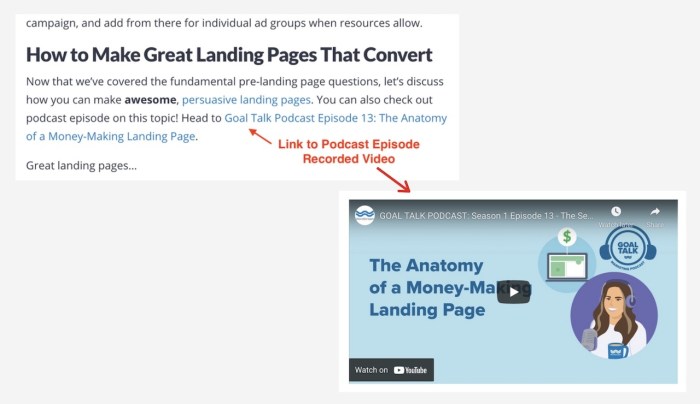
Crafting a successful content topic cluster hinges on meticulous planning and execution. It’s about more than just picking a few s; it’s about building a robust content ecosystem that resonates with your audience and achieves your business objectives. The following sections will guide you through the process of selecting and researching content topics, ensuring your cluster is built on a solid foundation.
Identifying Overarching Content Themes
The first step involves pinpointing the core themes that will form the backbone of your content cluster. This requires a deep understanding of your business goals, target audience, and the competitive landscape.The process starts with brainstorming sessions. Gather your team and let the ideas flow freely. Consider these key areas:
- Business Objectives: What are your primary goals? Are you aiming to increase brand awareness, generate leads, drive sales, or establish thought leadership? Each objective should inform the selection of your themes.
- Target Audience: Who are you trying to reach? Understanding their needs, interests, and pain points is crucial. Conduct thorough audience research, including surveys, interviews, and social media analysis, to gain valuable insights.
- Research: What are people searching for? Use research tools like SEMrush, Ahrefs, or Google Planner to identify relevant s and search volume. These s will help shape your themes and individual content topics.
- Competitive Analysis: What are your competitors doing? Analyze their content strategies, identify their strengths and weaknesses, and look for opportunities to differentiate your content.
Once you’ve brainstormed potential themes, evaluate them based on their relevance to your business goals, their appeal to your target audience, and their potential for search engine optimization (). Prioritize themes that align with your core competencies and offer the greatest opportunity for impact.
Designing a Process for Content Topic Research
Once you’ve identified your overarching themes, the next step is to validate your topic ideas and conduct thorough research. This involves digging deep to understand the nuances of each topic, identify relevant s, and gather data to support your content.This process ensures your content is accurate, informative, and engaging. A systematic approach, utilizing various tools and techniques, is essential for uncovering valuable insights.
- Research: Refine your list by identifying long-tail s and related search terms. This helps you target specific topics and capture a wider audience.
- Competitive Analysis: Analyze the top-ranking content for your target s. Identify the strengths and weaknesses of their content and look for opportunities to create more comprehensive and valuable content.
- Content Gap Analysis: Identify gaps in the existing content landscape. Look for topics that haven’t been adequately covered or areas where you can provide a unique perspective.
- Data Gathering: Collect data to support your content. Use reliable sources such as industry reports, academic research, and government statistics.
This research phase provides the foundation for creating high-quality, authoritative content that resonates with your audience.
Steps Involved in Content Topic Research
The following table Artikels the steps involved in content topic research, including the tools to use and the desired outcomes:
| Step | Tools | Desired Outcome |
|---|---|---|
| Brainstorming & Theme Identification | Mind mapping software (e.g., MindManager), Whiteboard, Team collaboration tools (e.g., Slack) | Identification of 3-5 core content themes aligned with business goals and target audience interests. |
| Research & Validation | SEMrush, Ahrefs, Google Planner, Google Trends | Comprehensive list of relevant s, search volume data, identification of long-tail s, and validation of topic search interest. |
| Competitive Analysis & Content Gap Identification | SEMrush, Ahrefs, BuzzSumo, Manual search analysis | Understanding of competitor content strategies, identification of content gaps, identification of opportunities to create unique and valuable content. |
| Data Gathering & Content Artikel Creation | Industry reports, Academic journals, Government statistics, Content management system (CMS) | Gathering of supporting data, creation of a detailed content Artikel with s, and ensuring content accuracy and relevance. |
Structuring Content Topic Clusters for Optimal User Engagement involves thoughtful planning and execution.
Creating a content topic cluster is like building a well-organized library. Each piece of content acts as a book, and the entire cluster represents a comprehensive collection centered around a specific topic. Successfully structuring these clusters ensures users not only find the information they need but also stay engaged, leading to improved and a deeper understanding of the subject matter.
Different Content Formats Suitable for a Content Topic Cluster
A variety of content formats can be utilized within a content topic cluster, each with its own strengths and weaknesses. Selecting the right mix is crucial for catering to different learning styles and preferences.
- Blog Posts: The bread and butter of content marketing, blog posts offer flexibility in format and depth.
- Pros: Relatively easy and inexpensive to produce, allows for in-depth exploration of topics, and highly adaptable for .
- Cons: Can be time-consuming to write high-quality content, and the format might not appeal to all audiences.
- Videos: Videos are highly engaging and can convey complex information in a visually appealing way.
- Pros: Excellent for demonstrating processes, increasing engagement, and boosting time on site.
- Cons: Production can be costly and time-intensive, requiring specialized skills and equipment.
- Infographics: Infographics present data and information in a visually digestible format.
- Pros: Highly shareable, great for simplifying complex data, and attract attention quickly.
- Cons: Can be challenging to create engaging and informative infographics, and limited in the amount of information they can convey.
- Podcasts: Podcasts provide an audio format that allows users to consume content while multitasking.
- Pros: Convenient for listeners, builds a strong connection with the audience, and cost-effective to produce.
- Cons: Requires a good audio setup, difficult to convey visual information, and requires listeners to actively listen.
Clear Procedure for Interlinking Content within a Cluster
Strategic interlinking is the glue that holds a content topic cluster together, guiding users seamlessly through related content and boosting .
- Establish a Core Topic Page: This acts as the hub of the cluster, linking to all s and providing a comprehensive overview. The anchor text should be specific and relevant. For example, if the core topic is “Sustainable Gardening,” the core topic page might be titled “The Ultimate Guide to Sustainable Gardening.”
- Use Relevant Anchor Text: Use descriptive anchor text that accurately reflects the content of the linked page. Avoid generic phrases like “click here.” Instead, use phrases like “Learn about composting methods” or “Explore water conservation techniques.”
- Internal Linking Best Practices:
- Link from the core topic page to all s.
- Link between related s to create a web of interconnected information.
- Use a natural and organic linking style; avoid over-linking.
- Prioritize linking to the most important and relevant pages within the cluster.
Example of a Well-Structured Content Topic Cluster
Let’s consider a content topic cluster on “Healthy Eating.”The core topic page would be “The Complete Guide to Healthy Eating.” This page would then link to several s, each delving into a specific area:
- “The Benefits of a Balanced Diet” ()
- “Understanding Macronutrients and Micronutrients” ()
- “Healthy Meal Planning for Busy Professionals” ()
- “The Best Foods for Weight Loss” ()
- “The Impact of Processed Foods on Your Health” ()
A visual representation of the cluster’s structure would resemble a wheel. The core topic page sits at the center, the hub of the wheel. Radiating outwards from the hub are spokes, each representing a page. Each spoke is connected to the central hub, and some spokes might also have smaller spokes branching off, representing more specific aspects of the .
For instance, the “Healthy Meal Planning for Busy Professionals” could link to another titled “Quick and Easy Recipes for Weeknights.” The entire structure ensures users can navigate from a broad overview to highly specific details. This structure allows search engines to understand the relationships between the content, improving the overall performance of the cluster.
Creating Engaging Content for Content Topic Clusters necessitates a deep understanding of audience needs.
Crafting content that truly resonates with your audience is like tuning a finely crafted instrument. It demands a keen ear for what they’re seeking, a deep understanding of their pain points, and a commitment to providing genuine value. This involves not just regurgitating information but creating experiences that captivate, educate, and inspire. Let’s delve into how we can achieve this, focusing on the crucial elements of crafting compelling content.
Creating High-Quality Content that Addresses User Intent and Provides Value
To create content that shines, we must first understand the core principle: addressing user intent. What is the userreally* looking for when they type a query into a search engine? Are they seeking information, a solution, or perhaps just entertainment? The answer dictates the entire content strategy. Content that provides value is content that answers the user’s question, solves their problem, or satisfies their need.Crafting captivating headlines and introductions is paramount.
Your headline is the gatekeeper; it’s the first impression that either draws the reader in or sends them scrolling past. The introduction is your opportunity to seal the deal, hooking the reader and setting the stage for what’s to come.Here are some techniques:* Intrigue: Spark curiosity. Ask a thought-provoking question, present a surprising statistic, or hint at a hidden benefit.
Specificity
Be clear and concise. Avoid vague language. Tell the reader exactly what they’ll gain by reading your content.
Benefit-driven
Focus on the “what’s in it for me” (WIIFM) factor. Highlight the value the reader will receive.
Emotional Connection
Tap into emotions. Use storytelling, humor, or empathy to connect with the reader on a deeper level.For example, instead of a headline like “Content Marketing Tips,” try “Unlock Explosive Growth: Content Marketing Strategies That Convert.” The latter is more specific, benefit-driven, and intriguing. Your introduction should then build on this promise, immediately addressing the reader’s needs and setting the tone for the rest of the piece.
Tailoring Content to Different Stages of the Buyer’s Journey
The buyer’s journey isn’t a straight line; it’s a winding path, and each stage requires a different approach to content creation. Understanding these stages – awareness, consideration, and decision – is critical for tailoring your content effectively.* Awareness Stage: At this stage, potential customers are just becoming aware of a problem or need. Content should focus on educating and informing, rather than selling.
Blog posts, infographics, and introductory videos work well here.
Example
A blog post titled “What is Content Marketing and Why Is It Important?”
Consideration Stage
The buyer is now actively researching solutions. Content should showcase your expertise and establish trust. Case studies, comparison guides, and webinars are effective.
Example
A comparison guide comparing your product/service to competitors.
Decision Stage
The buyer is ready to make a purchase. Content should provide the final push, highlighting the benefits and offering incentives. Product demos, testimonials, and special offers are appropriate.
Example
A customer testimonial video showcasing positive experiences.By creating content that addresses the specific needs and pain points of the buyer at each stage, you can guide them seamlessly through the journey, increasing the likelihood of conversion.
Incorporating Multimedia Elements to Enhance Content Engagement
Adding multimedia elements to your content is like adding spices to a dish; it enhances the flavor and makes it more enjoyable. Multimedia can transform static text into dynamic experiences, capturing attention and improving comprehension. Visuals, audio, and interactive elements can breathe life into your content, making it more memorable and shareable.Here’s how different multimedia elements can be used:* Images: Visual representations can break up text, illustrate concepts, and evoke emotions.
Use high-quality, relevant images that complement your content.
Impact
Increases readability and engagement.
Example
A detailed infographic that visualizes data or processes.
Videos
Videos are incredibly engaging, allowing you to explain complex topics in an easy-to-understand format. They are great for tutorials, product demonstrations, and storytelling.
Impact
Captures attention, increases retention, and boosts understanding.
Example
A short video explaining how to use a specific software feature.
Audio
Podcasts, interviews, and audio clips can cater to users who prefer listening over reading. Audio is perfect for on-the-go consumption.
Impact
Provides an alternative consumption method and caters to different learning styles.
Example
An audio interview with an industry expert discussing a relevant topic.
Infographics
These are visual representations of information, data, or knowledge, designed to present complex information quickly and clearly.
Impact
Makes complex data easier to understand and more visually appealing.
Example
A chart illustrating market trends or survey results.
Interactive Content
Quizzes, polls, and calculators encourage audience participation and provide a more personalized experience.
Impact
Increases engagement and encourages users to spend more time on your content.
Example
A quiz to determine the best product for a user’s needs.By strategically incorporating these multimedia elements, you can create a richer, more engaging experience for your audience, ultimately leading to increased conversions and brand loyalty.
Measuring the Performance of Content Topic Clusters is critical for continuous improvement.

It’s no secret that content topic clusters are a powerhouse for boosting your online presence, but their true value lies in their performance. Regularly measuring and analyzing the effectiveness of your clusters is like having a compass and map for your content journey, ensuring you’re heading in the right direction and making the most of your efforts. Think of it as a constant feedback loop, allowing you to refine your strategy, optimize your content, and ultimately, achieve your goals.
Let’s dive into the essential metrics, audit processes, and reporting structures that will transform your content from a guessing game into a data-driven success story.
Key Metrics for Measuring Success
Success in the content game isn’t just about pretty words; it’s about tangible results. To gauge the effectiveness of your content topic clusters, you need to keep a close eye on several key metrics. These metrics, when tracked diligently, will provide valuable insights into how your content is resonating with your audience and contributing to your overall business objectives. Here’s a breakdown of the crucial areas to monitor and how to interpret them.
- Traffic: This is your content’s popularity contest, measured by the number of visitors landing on your cluster pages.
- Tracking: Use tools like Google Analytics to monitor page views, unique visitors, and sessions for each pillar page and supporting content within the cluster.
- Interpretation: A rising tide of traffic indicates that your cluster is gaining visibility. Analyze which pages are attracting the most visitors and identify any content that may need a boost. Look for patterns, such as spikes in traffic after promoting your content on social media or email. Consider the source of your traffic – are you getting organic traffic from search engines, or is it primarily from paid advertising or social media?
- Engagement: This is all about how your audience interacts with your content, revealing whether it’s truly captivating.
- Tracking: Engagement metrics include time on page, bounce rate, pages per session, and click-through rates (CTR) on internal links within the cluster.
- Interpretation: High time on page and low bounce rates suggest your content is holding your audience’s attention. A good pages-per-session metric indicates that readers are exploring the cluster. Low engagement metrics could signal that the content isn’t relevant, or that the design needs to be improved. If CTRs are low, try experimenting with different calls-to-action or internal linking strategies.
- Conversions: This measures whether your content is driving your desired actions, like sign-ups or sales.
- Tracking: Set up goals in Google Analytics or use your CRM to track conversions originating from pages within your content clusters. This includes form submissions, downloads, and purchases.
- Interpretation: A healthy conversion rate shows that your content is successfully guiding visitors toward your business goals. Analyze which content is contributing most to conversions. If conversion rates are low, review your calls-to-action and ensure they are clear and compelling. Identify any points in the conversion funnel where visitors are dropping off and optimize those areas.
- Rankings: This refers to your content’s visibility in search engine results, a key driver of organic traffic.
- Tracking: Use tools like SEMrush, Ahrefs, or Moz to monitor rankings for your pillar pages and supporting content. Track the position of your pages for relevant search terms.
- Interpretation: Higher rankings for target s mean more organic traffic. Track the movement of your rankings over time to assess the impact of your content strategy. If your rankings are improving, it’s a sign that your content is optimized and gaining authority. If rankings are declining, investigate issues such as technical problems, poor content quality, or increased competition.
Conducting a Content Audit
A content audit is your secret weapon for assessing the performance of your content clusters. It’s a comprehensive review of your content, identifying what’s working, what’s not, and where the gaps lie. It’s like a health checkup for your content, revealing any areas that need attention and ensuring your content strategy is on track. This process will help you refine your approach and ensure your content remains relevant and engaging.
- Define Your Scope: Clearly define the content clusters you’ll audit. This ensures you’re focused and don’t get lost in the sea of your content.
- Gather Your Data: Collect data on the metrics mentioned above – traffic, engagement, conversions, and rankings – for each piece of content within the selected clusters.
- Analyze the Content: Evaluate the content itself. Is it well-written, accurate, and up-to-date? Is it aligned with your target audience’s needs and interests?
- Identify Areas for Improvement: Pinpoint content that underperforms, has high bounce rates, low engagement, or poor rankings.
- Identify Content Gaps: Look for topics within your cluster that you haven’t covered or haven’t covered well enough.
- Prioritize Your Actions: Determine which improvements and content gaps are most critical to address, considering their potential impact.
- Update and Optimize: Revise underperforming content, fill content gaps, and optimize your content for and user experience.
- Repeat the Process: Content audits are not a one-time thing. Conduct them regularly, such as quarterly or bi-annually, to maintain and enhance your content’s effectiveness.
Designing a Reporting Structure
A well-designed reporting structure is crucial for summarizing the performance of your content topic clusters. It allows you to present your findings clearly, communicate insights effectively, and provide actionable recommendations. This is your chance to showcase your content’s value and influence decision-making.
Here’s a suggested reporting structure:
- Executive Summary: Briefly summarize the overall performance of the content cluster, highlighting key successes and challenges.
- Key Metrics: Present the data for each key metric – traffic, engagement, conversions, and rankings – using clear charts and graphs.
- Insights: Analyze the data and provide insights into what the numbers mean. For example, “Traffic increased by 20% due to the promotion of the pillar page on social media.”
- Recommendations: Based on your insights, provide actionable recommendations for improving the content cluster’s performance. For example, “Optimize the pillar page for target s and update internal links.”
- Content Gap Analysis: List the content gaps identified during the audit and suggest new content ideas.
- Next Steps: Artikel the actions you’ll take to implement your recommendations and the timeline for doing so.
Example Report with Mock Data:
Content Topic Cluster: [Insert Cluster Name Here, e.g., “Digital Marketing Strategies”]
Reporting Period: [Insert Date Range, e.g., Q3 2024]
Executive Summary: The “Digital Marketing Strategies” content cluster saw a 15% increase in organic traffic during Q3, driven by improved rankings for key target s. Engagement metrics remained stable, while conversion rates saw a slight increase. Key areas for improvement include optimizing the pillar page for conversion and creating additional content on social media advertising.
Key Metrics:
- Traffic: Total sessions: 1,500 (+15% from previous quarter). Organic traffic: 900 (+20%).
- Engagement: Average time on page: 3:
30. Bounce rate: 45%. Pages per session: 2.5.- Conversions: Lead generation form submissions: 20 (+5%).
- Rankings: Pillar page ranking for “digital marketing strategies”: Position 5 (up from position 7).
Insights:
- The increase in organic traffic is primarily due to improved rankings for the pillar page.
- Engagement metrics are satisfactory but could be improved by adding more internal links.
- Conversion rates are slightly improved, but the pillar page’s conversion rate could be higher.
Recommendations:
- Optimize the pillar page for conversion by adding a more prominent call-to-action.
- Update internal links within the cluster to drive more engagement.
- Create a new blog post on “Social Media Advertising Best Practices.”
Content Gap Analysis:
- Lack of content on “Email Marketing Automation.”
Next Steps:
- Optimize the pillar page within the next week.
- Update internal links within the next two weeks.
- Create a new blog post on “Email Marketing Automation” within the next month.
